
WEBORIK / RESEARCH ·
How AI Recommendations Are Creating Smarter E-Commerce Experiences
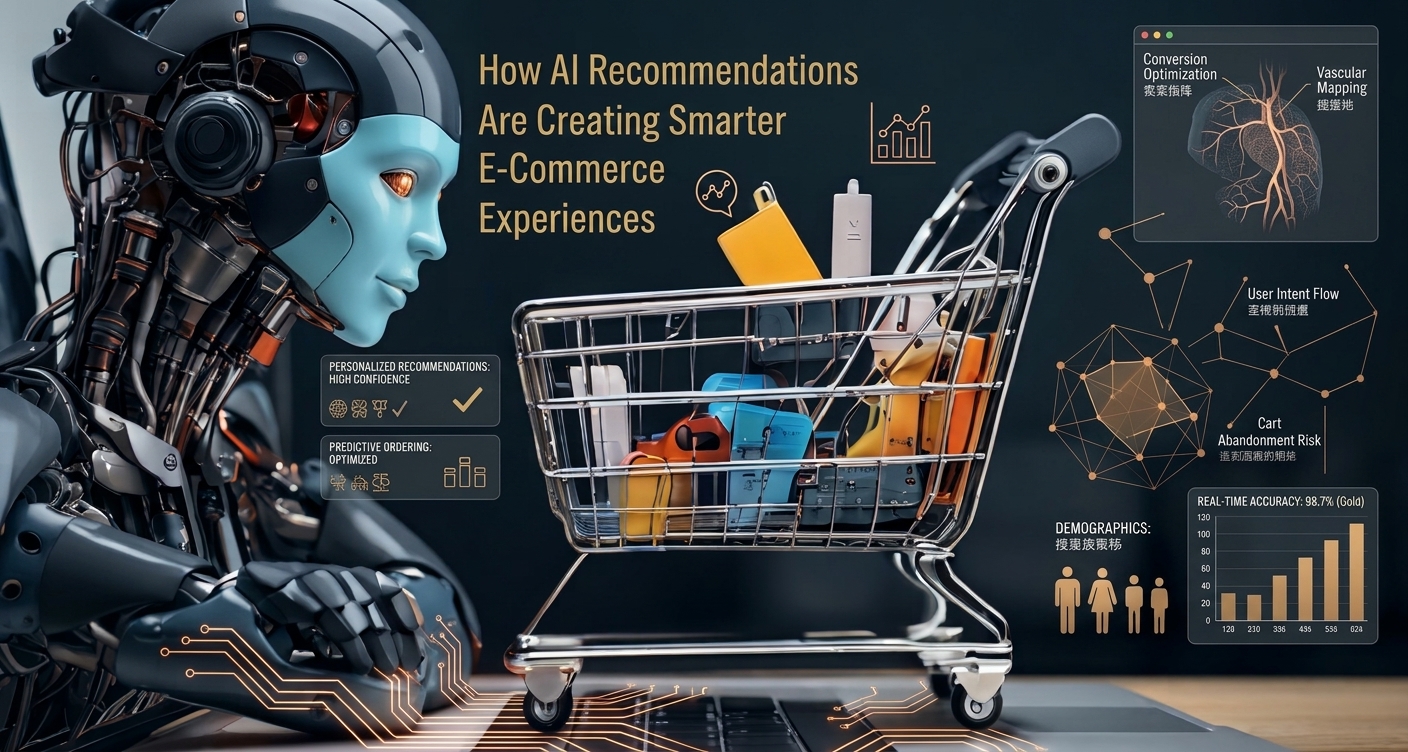
E-commerce has transformed the way customers discover, evaluate, and purchase products. A few years ago, we were discussing how the whole store is being transformed into a website or mobile app that offers many features that real stores have. Now, however, technology is evolving so rapidly that artificial intelligence is helping online stores improve the shopping experience in several ways.
Imagine walking into a store where the shelves and showcases are filled with thousands of products ranging in size, price, and quality. You might think that it would be difficult to find the exact product you have in mind. In many cases, customers may not even know what exactly they need. Instead of having to search through everything, the personalized experience quietly adapts to what you are actually looking for.
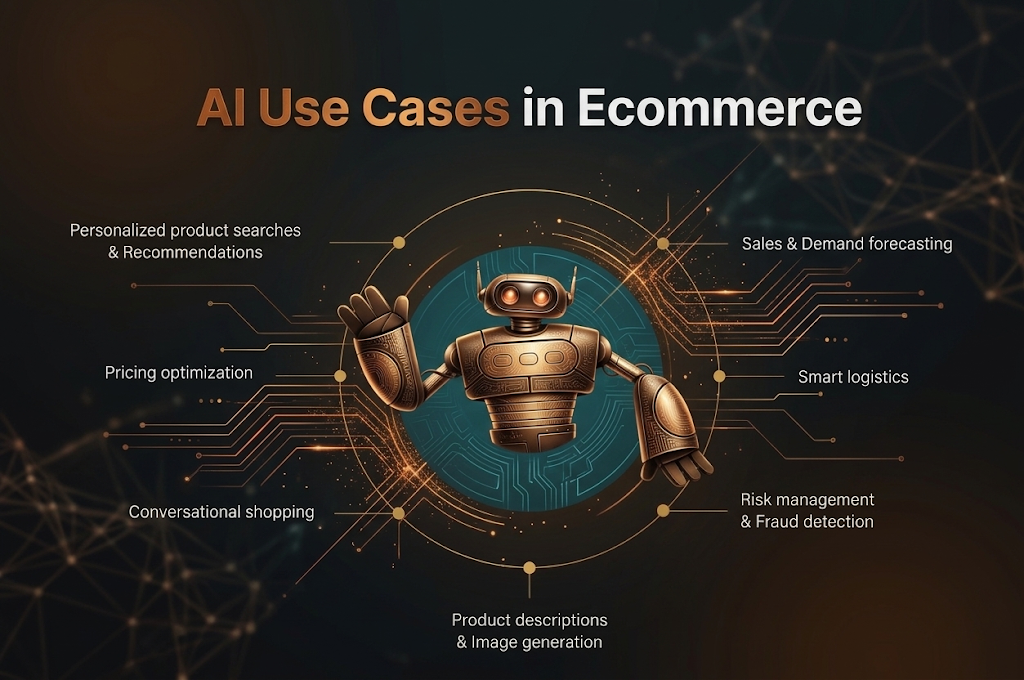
This challenge can be addressed using powerful artificial intelligence that actually presents the customer with what they are looking for, even if they are confused about their choice. AI-powered recommendation systems can analyze customer behavior, product information, and interaction patterns, creating a flawless experience for them and better sales for you.
This article explores how AI is helping e-commerce businesses move from generic product discovery, as they have been following since they created the store, toward more personalized and intelligent shopping experiences.
Why Traditional E-Commerce Experiences Fall Short
A conventional online store may provide customers with a wide range of products, but availability alone does not guarantee relevance. We’ve seen that when the store is not providing what we are searching for, we skip it in less than a minute without making the effort to look at every section.
Traditional e-commerce stores are usually built on the conventional structure where predefined categories, generic search results, best-selling products, or manually selected recommendations are the basic features, with no preference designed for the user. In such cases, catalog navigation and product hunting itself are big tasks; then how will the buyer be interested in using the store more and buying the things that were not in the buying list they created?
The user experience in this case does not lack search only; the upgraded stores also recommend products, but irrelevant recommendations, providing too many choices, and less personalized results may affect your sales.
AI-Powered Recommendation Systems in E-commerce Stores
AI-powered automations can deliver hyper-personalized product recommendations that boost conversions and average order value. It has revolutionized every industry, including e-commerce. It is one of the most dynamic ways to study users’ choices and needs through personalized data, their past searches, and product types according to their budget.
The reason behind the increased efficiency is that the AI considers multiple factors, such as a product’s category, features, price range, or relationship with other products, at a time and mostly provides improved recommendation accuracy.
How AI-Powered Recommendation Systems Work
The work starts by analyzing the data the e-commerce store carries. It has information about the product a customer is looking for, the query they are searching for, the filters they have applied, the type of product they add to or remove from the cart, and finally, whether they order it or just add it to the cart.
Here is how the work is done:
Collecting Customer and Product Data
Every click by the user is considered when the AI is analyzing the customer’s behavior on the e-commerce store. The customer’s interaction presents the behavioral data, whereas the choice of products tells about their budget, color preferences, product category, and the quality they are looking for.
Ranking the Recommendations
Once the data enters the complex artificial intelligence algorithm, it starts working on picking the best recommendation from your website. Here, not only the user’s choice, but the inventory status, profit margins, seasonal trends, shipping cost, and multiple other factors are considered before the final result reaches the viewer.
As a result of all the calculations, the product with the best score is shown. All this seems like a lengthy process, but artificial intelligence algorithms usually take less than a second to accomplish the goal with great precision.
How Weborik Can Help
At Weborik, we can provide customized artificial intelligence systems in your e-commerce stores that will present updated features and the right recommendations. Here is how we can help you:
Recommendation Engine Development
Artificial intelligence and machine learning algorithms are applied to the business to provide e-commerce businesses with high recommendation accuracy.
REST API Integration
We can develop REST APIs to connect the recommendation system to the e-commerce website’s backend so it not only reads the backend functionalities in detail but, collectively, the output is different and better than what the website was providing before.
Real-Time Recommendation APIs
We can create real-time APIs for recommendations that not only present the right output but also work on the viewer’s current session, recently viewed products, cart items, or other real-time signals, providing instant help to your ecommerce store to present the best.
Customer Behavior Tracking
At Weborik, we believe in the artificial intelligence’s personalized power; therefore, we can focus on a system that observes users’ product views, searches, clicks, wishlist actions, cart additions, and purchases to identify their current shopping interests and purchase intent.
AI Model Integration
Weborik discusses the requirement in detail and can integrate trained machine learning models, embeddings, or LLM-based components in your e-commerce store where appropriate for product understanding and personalization.
Hence, if you own an e-commerce store or are planning to have one, then Weborik is the intelligent approach. Give us the chance to learn more about your business idea.